Guide · August 25, 2026
Hotel Renovation Project Timeline Guide
How a typical guest-room renovation moves from planning to rooms back in inventory, phase by phase — and where schedules usually slip.
Every hotel renovation is different, but the sequence is remarkably consistent. Understanding it helps owners set realistic expectations, plan occupancy, and recognize early when a project is drifting.
Phase 1 — Planning and bidding
Scope definition, PIP review, property documentation and the bid package. Depending on how much of the groundwork is already done, this runs anywhere from a few weeks to a few months. Rushing it is the most common way to lengthen everything that follows.
Phase 2 — Procurement and lead times
Casegoods, lighting packages, glass shower enclosures, quartz counters and specialty tile all carry lead times — sometimes long ones. Order early. A crew standing in a demolished room waiting on vanities is the most expensive kind of delay, and the most avoidable.
Phase 3 — Mobilization and first block
The contractor stages materials, sets up debris routes, and takes the first block of rooms. The first block always runs slower than the rest: it is where the property's real conditions become known and the crew's rhythm is established. Build that into the schedule rather than treating it as a problem.
Phase 4 — Demolition, rough-in and inspections
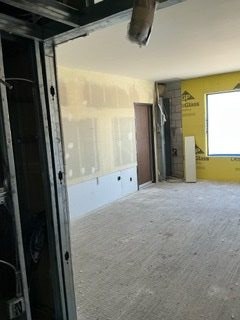
Rooms are stripped to the point the scope requires, framing and blocking are set, plumbing and electrical rough-in happens, and any required inspections take place before walls close. This is where behind-the-wall surprises appear — and where a good contractor's field experience shows most.
Phase 5 — Finishes
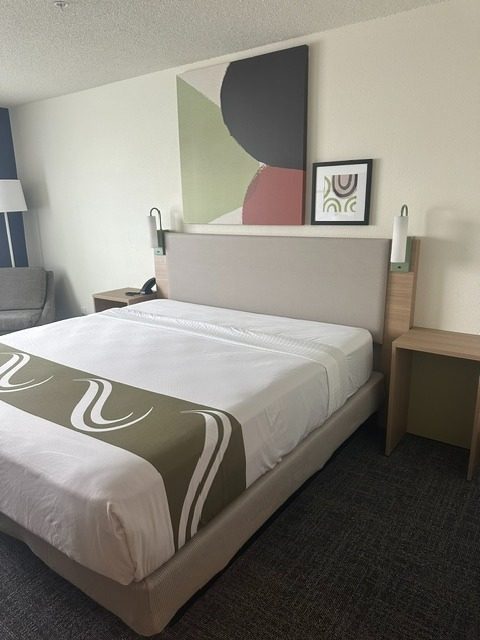
Drywall and paint, tile and flooring, vanities and glass, casegoods and lighting. Finishes go fast when everything before them was done right and the materials are on site. They go slowly when they're not.
Phase 6 — Punch list and rooms back to inventory
Owner, management and (where required) brand walk-throughs. Punch items are recorded, completed and re-inspected. Rooms are cleaned to the agreed standard and returned to housekeeping. The block closes; the next one opens.
Where schedules slip
In our experience, the same handful of causes account for most delays: procurement started late, scope discovered instead of defined, slow change-order decisions, and rooms released to the contractor behind schedule. None of these are construction problems. All of them are planning problems — which means all of them are preventable.
Planning a renovation? Request a project consultation and we'll walk through your timeline together.