Article · August 20, 2026
What Hotel Owners Should Prepare Before Starting a Renovation
The handful of decisions and documents that make a hotel renovation bid accurate — and keep the project from stalling once demolition starts.
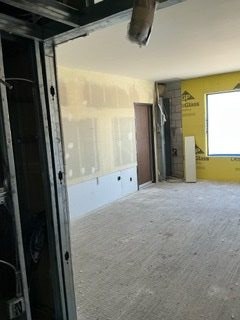
Most hotel renovation problems are decided before the first wall comes down. Bids come back far apart because bidders priced different jobs. Change orders pile up because the scope was discovered instead of defined. Rooms come back late because nobody agreed what "done" meant. Here is what to have ready before a contractor walks the property.
1. A written scope, room by room
List every space in scope and what happens in it. "Renovate the bathrooms" is not a scope. "Convert 42 tub units to walk-in showers with frameless glass, replace vanities and mirrors, retile floors, retain existing toilets" is. The more specific the scope, the closer the bids will land to each other — and to the final cost.
Include what is not in scope, and what must be protected and reused. Casegoods that stay, HVAC units that stay, door hardware that stays: say so.
2. Your brand's PIP and finish schedule
If the property carries a flag, the Property Improvement Plan drives most finish decisions and often the deadline. Get the current PIP, the approved finish schedule, and the casegoods and lighting packages in writing before bidding. Clarify who buys FF&E and when it arrives — a renovation crew waiting on headboards is an expensive crew.
3. What's behind the walls
Old plumbing, previous renovations with unknown materials, moisture in wet walls — the contractor will find these during demolition whether you disclose them or not. Disclosing them up front turns surprises into line items. Gather any as-built drawings, prior renovation records, and asbestos, lead or mold reports. If you don't have testing on an older building, arrange it.
4. How the hotel operates during the work
Decide early whether the property stays open, at what occupancy, and how rooms will be released: by floor, by wing, by block. Set quiet hours. Plan where materials stage, where debris goes and how crews move through the building without crossing guest paths. These decisions shape the schedule as much as the scope does.
5. Budget, contingency and decision-making
Set a target range and separate the fixed items from the flexible ones. Carry a contingency — 10 to 15 percent is typical for older properties. Then decide who approves change orders and how fast. A renovation loses more days to slow decisions than to slow work.
6. What "finished" means
Agree on the punch-list process before the project starts: who inspects, how items are recorded, and the turnaround. Define the cleaning standard for rooms returned to inventory. A clear closeout definition is the difference between a project that ends and one that lingers.
Want the working version? The Hotel Renovation Planning Checklist turns this article into a printable list you can walk the property with. You'll find it in the Resources section.